
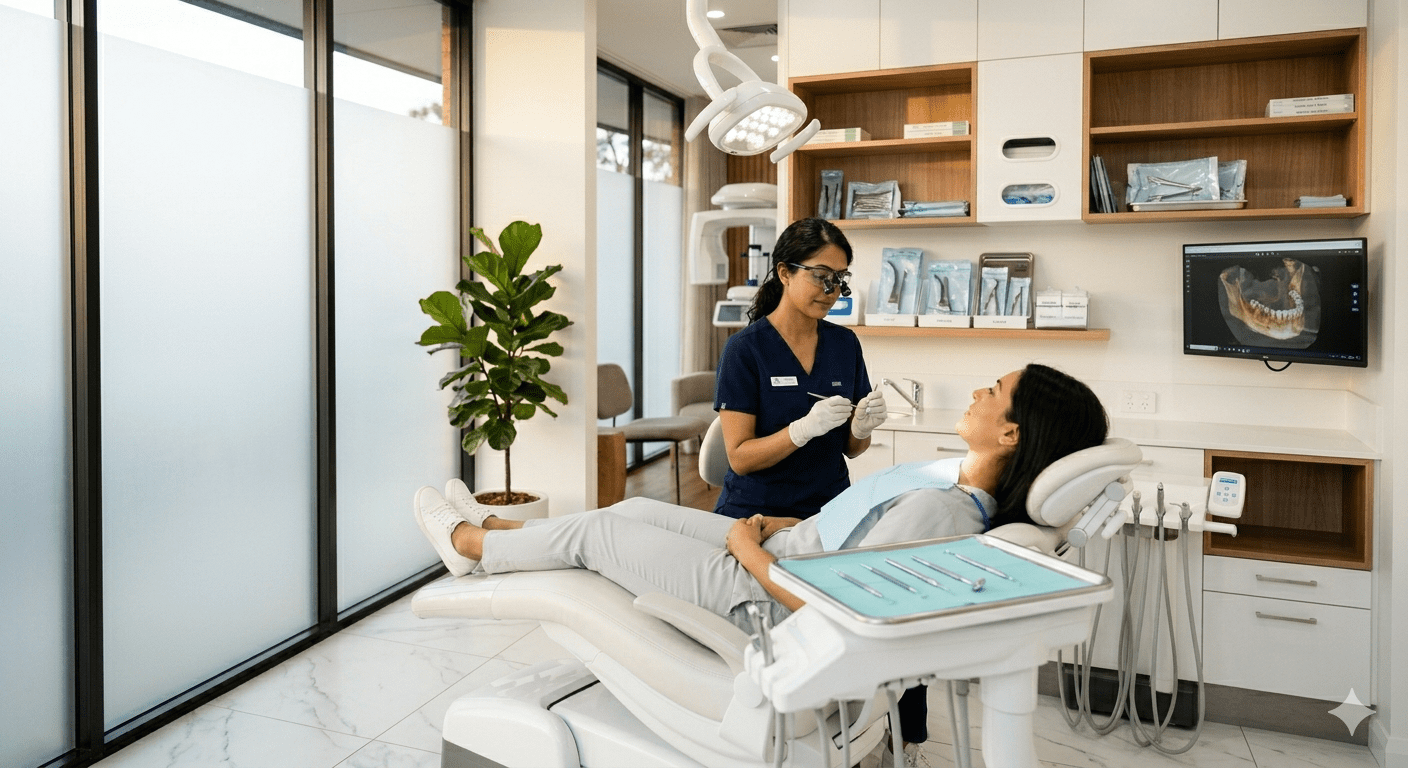
When a dental emergency strikes in Sterling, IL, quick and skilled care is essential. Whether it’s a sudden toothache, a broken tooth, or an injury, knowing where to turn can save both pain and time. Emergency dental services in Sterling are designed to provide fast relief, expert treatment, and help prevent further damage.
These local dental professionals understand how stressful unexpected dental problems can be. They focus on making patients feel comfortable and supported while using modern techniques to address issues efficiently.
If anyone in Sterling faces a dental emergency, it’s important to reach out promptly. Finding a trusted emergency dentist nearby ensures that urgent care is available when it’s needed most.
What Constitutes a Dental Emergency?
Dental emergencies vary widely, but they all involve sudden issues that need prompt attention to prevent further damage or pain. Knowing which situations require quick action helps patients in Sterling, IL, get timely care and avoid unnecessary complications.
Common Emergency Scenarios
Some emergencies happen after accidents, like a tooth knocked out during sports or a fall. Cracked or broken teeth from biting hard objects or injury are also common urgent cases. Severe toothaches caused by infection or decay can become emergencies when pain is intense and persistent.
Other scenarios include swelling around the gums, lost fillings or crowns that expose sensitive areas, and injuries to the soft tissues inside the mouth. These situations often need treatment within hours to reduce infection risk and manage pain effectively.
Recognizing Urgent Symptoms
Not every dental pain requires immediate emergency care, but certain symptoms signal the need for prompt attention. Sharp, continuous tooth pain that worsens with pressure or temperature changes often suggests infection or nerve damage.
Swelling in the face or gums, bleeding that doesn’t stop, or fever combined with oral pain are signs of serious infection that demands quick treatment. Difficulty breathing or swallowing caused by oral injuries is an emergency that requires urgent medical care alongside dental help.
When to Seek Immediate Help
If a tooth is completely knocked out, retrieving it and seeing a dentist within an hour can sometimes save it. Uncontrolled bleeding after trauma or surgery is another clear sign to seek immediate dental or medical assistance.
Severe trauma to the mouth, like jaw fractures or dislocated teeth, must be addressed quickly to prevent long-term problems. Patients should not wait if they notice increasing swelling, spreading redness, or severe pain that does not respond to over-the-counter painkillers. In any case of doubt, contacting a local emergency dental provider in Sterling, IL, is the safest step.
Steps to Take During a Dental Crisis
In a dental emergency, quick thinking and the right actions make all the difference. Knowing how to stay calm, handle pain, and prepare for the dentist visit can ease the situation and improve outcomes. These steps focus on practical, immediate care anyone can follow until professional help arrives.
Staying Calm and Managing Pain
Remaining calm helps keep clear judgment during a dental emergency. Taking slow, deep breaths can reduce anxiety and prevent the situation from feeling overwhelming.
For pain relief, over-the-counter medications like ibuprofen or acetaminophen are effective. Avoid placing aspirin directly on the gums or tooth since it can cause burns. Applying a cold compress to the cheek near the affected area helps reduce swelling and numbs pain, but keep it wrapped in a cloth to protect the skin.
Avoid chewing on the injured side and rinse the mouth gently with warm saltwater. This keeps the area clean without causing further irritation. Staying calm allows better decision-making for the next steps.
Temporary At-Home Solutions
Some emergencies require immediate at-home fixes before visiting the dentist. For a knocked-out tooth, gently rinse it with water but avoid scrubbing or removing any tissue fragments. Place the tooth back in its socket if possible or keep it in a container of milk to preserve it.
For a lost filling or crown, applying dental cement from a pharmacy can temporarily cover the area. If unavailable, a piece of sugarless gum works as a short-term patch.
In cases of a cracked or broken tooth, avoid biting down on hard foods. Eating soft foods and avoiding extreme temperatures in drinks helps prevent pain spikes until professional care is possible.
What to Bring to the Dentist
Bringing the right items can speed treatment and ease communication at the dental office. Collect any broken tooth pieces and place them in milk or saline to keep them moist.
Write down details such as when the injury happened, any symptoms, and medications taken. This helps the dentist understand the situation quickly.
If possible, bring a list of current medications and your dental insurance information. Having a phone number of your regular dentist or previous dental records can assist if this is your first visit to an emergency provider.
Being prepared ensures the dentist can focus on treatment, reducing delays and anxiety for the patient.
Treatment Options for Urgent Dental Needs
When a dental emergency happens, timely treatment is crucial to relieve pain, prevent infection, and save teeth. Different urgent situations require specific approaches, from quick repairs to more involved procedures.
Emergency Tooth Repair Solutions
For cracked or chipped teeth, the goal is to restore structure and function swiftly. Dentists often use dental bonding, where a tooth-colored resin fills in the damaged area. This procedure usually takes under an hour and preserves the natural tooth.
If the damage is more severe, a crown might be necessary. Crowns cover and protect the remaining tooth, preventing further breakage. Temporary crowns can be applied during an emergency visit, with permanent ones placed later.
For lost fillings, replacing them quickly avoids sensitivity and decay. Some offices offer same-day repairs, especially for small cavities or worn fillings.
Handling Severe Toothaches
A sudden, intense toothache often signals infection, decay, or pulp inflammation. Dentists usually start by diagnosing the source with X-rays and exams. Pain relief might include topical gels or prescribed medications if needed.
Root canal therapy is a common solution when infection reaches the tooth’s nerve. This treatment cleans out the infected tissue and seals the canal, preventing further issues. It can be done in one or two visits, depending on the case.
For infections with swelling or fever, immediate antibiotic treatment is necessary alongside dental care to stop the spread and ease discomfort.
Interventions for Broken or Knocked-Out Teeth
When a tooth is broken or knocked out completely, fast action impacts the chance of saving it. If a tooth is knocked out, it should be gently rinsed—never scrubbed—and placed back in the socket if possible.
If reinsertion isn’t feasible, storing the tooth in milk or saliva keeps cells alive until medical attention. Emergency care often involves reimplantation and stabilization within an hour for the best outcome.
For broken teeth with exposed nerves, covering them with a dental dressing protects sensitivity until the dentist can perform root canal therapy or restoration.
Always recommend calling the dental office immediately after injury to receive clear instructions and prompt care.
Accessing Emergency Dental Care in Sterling
Finding quick and reliable dental care during an emergency is essential in Sterling. Patients benefit from knowing which local clinics accommodate urgent visits and how to handle care needs outside regular hours.
Local Clinics Offering Urgent Appointments
Several dental offices in Sterling prioritize emergency cases by offering same-day or next-day appointments. These clinics understand that sudden pain or injury requires prompt attention to prevent complications.
Patients can contact places like Sterling Family Dentistry or Northland Dental, where staff typically reserve slots specifically for urgent needs. Calling ahead is recommended to confirm availability and explain symptoms so the team can prepare accordingly.
Some clinics provide walk-in emergency services during office hours as well. This flexibility helps those dealing with unexpected pain or trauma avoid long waits. Staff focus on immediate relief, pain management, and evaluating if further treatment is needed.
Navigating After-Hours Services
When dental emergencies occur outside normal business hours, Sterling patients have options to receive timely care. Several clinics provide after-hours phone lines for guidance or referrals to emergency providers.
Urgent care centers in the area may also handle dental injuries or severe pain when typical dental offices are closed. It is helpful to know their locations and hours before an emergency happens.
For severe issues like uncontrolled bleeding or dental trauma, local hospitals with emergency departments can provide necessary treatment or stabilize the condition until dental follow-up is possible. Always call ahead to understand what care is available during off-hours.
How Dentists Prioritize Patient Comfort
Dentists in Sterling, IL focus on making treatments as pain-free and stress-free as possible. They use updated techniques and thoughtful care to ease discomfort and reduce anxiety. This helps patients feel more relaxed and safe during emergency visits.
Modern Pain Management Techniques
Dentists use a variety of pain control methods to keep patients comfortable. Local anesthesia is common, numbing only the affected area without impacting the whole body. This allows for precise pain relief during procedures like tooth extractions or root canals.
For more complicated issues, sedation options such as nitrous oxide (laughing gas) or oral sedatives may be offered. These calm nerves without full unconsciousness, helping patients stay relaxed but responsive.
Dentists also use gentle injection techniques, like warming anesthetic solutions and injecting slowly, to cut down on initial discomfort. Post-treatment pain is managed with recommended over-the-counter medications or prescription painkillers when needed, ensuring comfort after leaving the office.
Gentle Approaches for Anxious Patients
For patients who feel nervous, Sterling dentists apply special care to reduce fear. They take time to explain each step clearly, answering questions in a calm, friendly way. This helps build trust and lowers stress.
They might also use distraction tools during treatment, such as music or TV screens, to focus attention away from the procedure. Some offices offer blankets or headphones for extra comfort.
In cases of severe dental anxiety, dentists may suggest sedation dentistry or gradual exposure visits. These approaches gently ease patients into treatment, making it easier to get necessary emergency care without overwhelming fear.
Preventing Future Dental Emergencies
Protecting teeth from unexpected damage starts with daily habits and regular professional care. Small changes in how someone manages their oral health can greatly reduce the risk of painful emergencies down the line.
Practical Oral Care Tips
Brushing twice daily with fluoride toothpaste removes plaque and helps strengthen enamel. Using a soft-bristled brush minimizes gum irritation and prevents damage to tooth surfaces. Flossing once a day clears food particles and bacteria from between teeth where a brush can’t reach.
Avoiding hard or sticky foods lowers the chance of cracked teeth or dislodged fillings. Wearing a mouthguard during physical activity or sleep protects teeth from injury or grinding-related wear. Drinking plenty of water supports saliva production, which naturally cleans the mouth and balances acids.
Importance of Routine Checkups
Regular dental visits catch small problems before they become emergencies. Professionals can spot early signs of decay, gum disease, or weakening restorations. Cleanings remove hardened tartar that brushing alone can’t, reducing infection risk.
During checkups, dentists also update protective treatments like sealants or fluoride applications. These help shield vulnerable areas. Consistent visits make patients familiar with their dentist, encouraging timely care if pain or injury occurs — preventing costly, urgent procedures.
What to Expect After Your Visit
The care you receive after an emergency dental visit is key to healing and comfort. Understanding how to manage recovery and what follow-up steps to take helps patients avoid complications and maintain oral health.
Recovery Guidance
Patients often leave the office with specific instructions tailored to their treatment. These might include managing pain with over-the-counter medications like ibuprofen, applying ice packs to reduce swelling, and avoiding hot or hard foods for 24 to 48 hours.
It’s important to keep the treated area clean but gentle. Brushing near the site should be light, and rinsing with warm salt water starting 24 hours after treatment can help prevent infection.
If numbness persists longer than expected or bleeding doesn’t slow after a few hours, contacting the dental office promptly is advised.
Follow-Up and Continuing Care
Follow-up appointments ensure that healing is progressing well and any stitches can be removed if necessary. Patients might receive guidance on restoring full function or on further treatments, such as fillings or crowns, if damage was extensive.
Maintaining good daily oral hygiene and attending regular dental cleanings reduces the chance of future emergencies. Dentists often recommend scheduling a routine check within two weeks after emergency treatment to assess recovery and adjust care plans.
They may also provide tailored advice on lifestyle changes, like quitting smoking or improving diet, to support long-term dental health.
Where to Find Support and Answers
If someone in Sterling, IL faces a dental emergency, the first step is often to contact a local dental clinic that offers emergency services. Many offices provide after-hours phone lines specifically for urgent situations. This direct access can guide patients on what to do before they get professional care.
Community health centers and urgent care facilities can also offer initial support, especially if a dentist isn’t immediately available. While they may not specialize in dental treatments, these centers can manage pain and prevent issues from worsening.
For quick information, reliable websites from dental associations, like the American Dental Association (ADA), provide clear advice on common emergencies such as knocked-out teeth or severe toothaches. These resources answer basic questions and explain when it’s necessary to seek urgent care.
Here’s a quick reference to key contacts:
| Support Option | What They Offer | How to Access |
|---|---|---|
| Local Emergency Dental Clinics | Immediate professional care | Call clinic’s emergency number |
| Urgent Care Centers | Pain management and initial check | Walk-in or call ahead |
| ADA and Dental Websites | Guidance and tips | Online search |
Having a trusted local dentist’s contact ready is always a smart move. When in doubt, consulting a professional quickly can prevent complications and bring peace of mind. Encourage anyone in Sterling to ask questions—they deserve clear, caring answers when it matters most.
Frequently Asked Questions
Knowing when to seek immediate dental care and how to handle sudden dental injuries can make a big difference. Understanding what counts as a serious emergency versus a minor issue helps patients act quickly and confidently when problems arise.
How can I tell if my tooth pain needs same-day care or can wait until a regular appointment?
Severe, persistent pain that worsens or radiates to your jaw or ear usually requires urgent attention. Mild discomfort or sensitivity can often wait for a scheduled visit, especially if it improves with over-the-counter pain relief.
What should I do right away if I chip, crack, or knock out a tooth?
Rinse your mouth gently with warm water. For a knocked-out tooth, try to place it back in the socket or keep it moist in milk or a tooth preservation kit, and visit a dentist immediately.
If I don’t have a regular dentist, where can I go for urgent dental help?
Emergency dental clinics or hospital emergency rooms can provide immediate care. Many Sterling dentists offer same-day appointments for urgent cases even without prior patient history.
What kinds of problems count as a true dental emergency versus a minor issue?
Uncontrolled bleeding, severe pain, swelling, knocked-out teeth, and broken teeth causing pain are true emergencies. Minor issues include loose fillings, mild sensitivity, or minor chips without pain.
Can urgent care help with a severe toothache, swelling, or infection—and what will they actually do?
Urgent care centers can offer temporary pain relief and antibiotics for infections but cannot perform dental procedures. They will refer patients to a dentist for follow-up treatment.
How can I manage pain and swelling safely at home until I’m seen by a dentist?
Use over-the-counter pain relievers like ibuprofen and apply ice packs to reduce swelling. Avoid very hot, cold, or hard foods and keep your head elevated to minimize discomfort.