
Deciding whether to start with Invisalign or dental implants can seem confusing, especially with so many treatment options available. Both help improve oral health and confidence, but they address different needs. Invisalign straightens natural teeth, while dental implants replace missing ones for lasting stability and function.
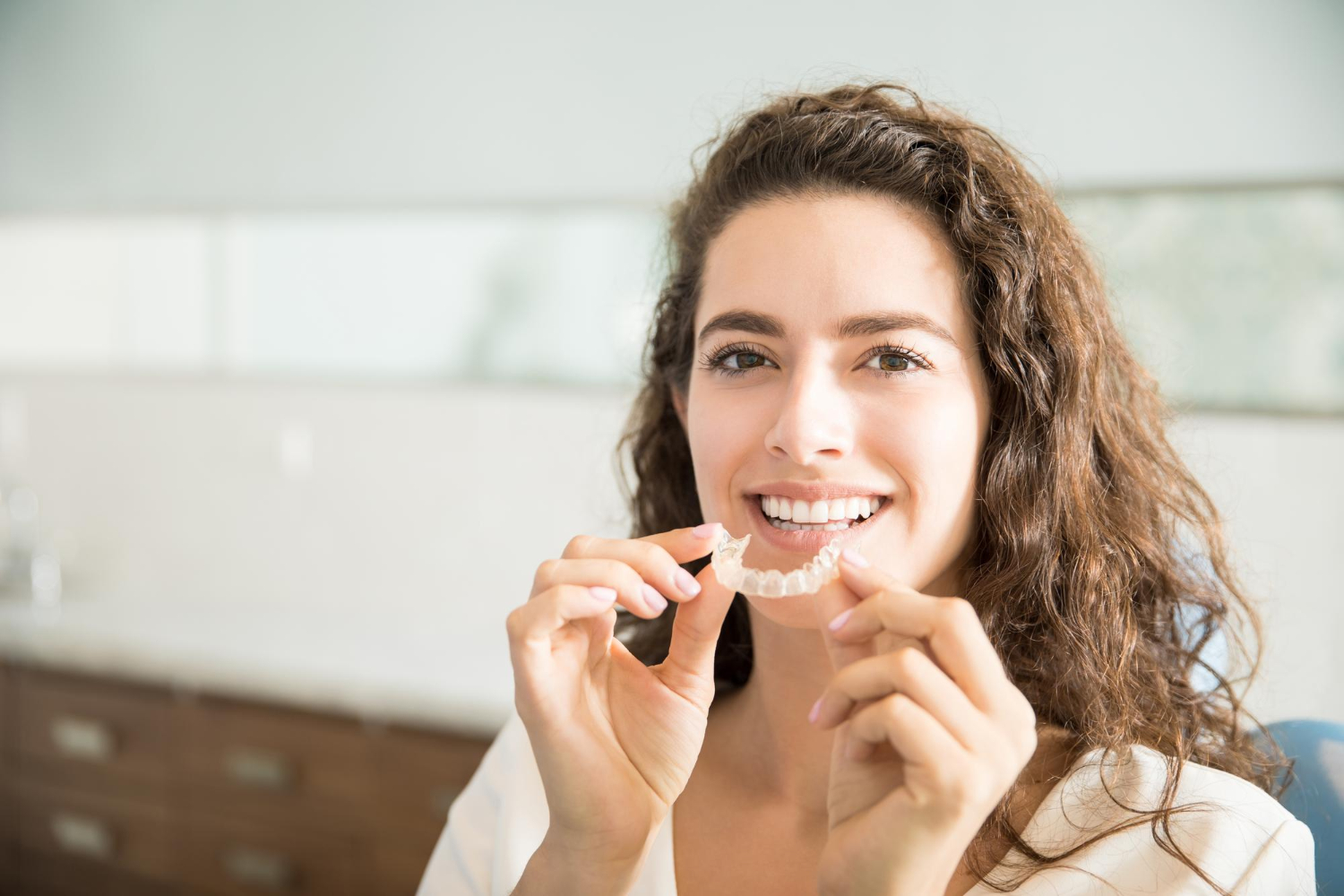
When used together, these treatments can create a balanced, healthier smile. Invisalign aligners gently move natural teeth without affecting implants, which remain securely in place. With careful planning, patients can enjoy properly aligned teeth and restored gaps that look and feel natural.
A skilled dentist or orthodontist helps determine the right order—sometimes straightening comes first, other times implant placement does. Understanding how both treatments work together sets the foundation for a confident, lasting smile.
Key Takeaways
- Invisalign aligns natural teeth while implants replace missing ones.
- Treatment order depends on individual dental needs and goals.
- A consultation helps create a clear path toward a balanced, healthy smile.
Understanding Invisalign & Dental Implants

Both Invisalign and dental implants play key roles in creating a healthy, confident smile. One focuses on aligning teeth gradually and discreetly, while the other restores missing teeth with lasting strength and stability. Together, they help patients achieve both function and aesthetics through personalized treatment planning.
What Is Invisalign?
Invisalign is a modern orthodontic system that uses a series of custom-made clear aligners to gently shift teeth into their ideal positions. Each aligner is worn for about one to two weeks before switching to the next in the sequence. Because the trays are clear and removable, many adults prefer this method over metal braces for its flexibility and subtle appearance.
Treatment length varies based on individual needs, but most cases last 6 to 18 months. Aligners are designed using 3D digital scans that map out every stage of tooth movement. This technology allows patients to see their projected results before starting care.
Proper wear is essential — at least 20 to 22 hours a day — removing them only for eating, brushing, and flossing. Invisalign effectively treats mild to moderate crowding, spacing, and bite alignment issues while allowing easier oral hygiene than traditional braces.
What Are Dental Implants?
Dental implants replace missing teeth by anchoring a titanium post into the jawbone, serving as a stable foundation for a crown, bridge, or denture. Once healed, the implant fuses naturally with the bone through a process called osseointegration, providing strong, permanent support.
This option closely replicates the look and feel of a natural tooth. Unlike removable dentures, implants do not shift or require adhesives, allowing patients to eat and speak comfortably.
Implants also protect oral health by preventing bone loss in areas where teeth are missing. Over time, this helps maintain facial structure and stability in a person’s bite. With proper care — including regular cleanings and dental checkups — implants can last for many years, often decades.
How Each Treatment Works
While both treatments serve different purposes, they often complement each other when planned carefully. Invisalign aligns teeth, creating proper spacing and bite relationships. Implants restore missing teeth, filling gaps once movement is complete.
When a patient already has an implant, Invisalign aligners move surrounding teeth without disturbing the anchored post. Because implants cannot move, orthodontic planning focuses on shifting adjacent natural teeth for a balanced outcome.
Dentists may use detailed digital imaging and 3D treatment simulations to coordinate both treatments. The goal is functional alignment, ideal spacing, and lasting aesthetics. Patients unsure where to start are encouraged to speak with a dentist or orthodontist who can design a personalized treatment plan based on their unique dental goals.
Comparing Invisalign and Dental Implants
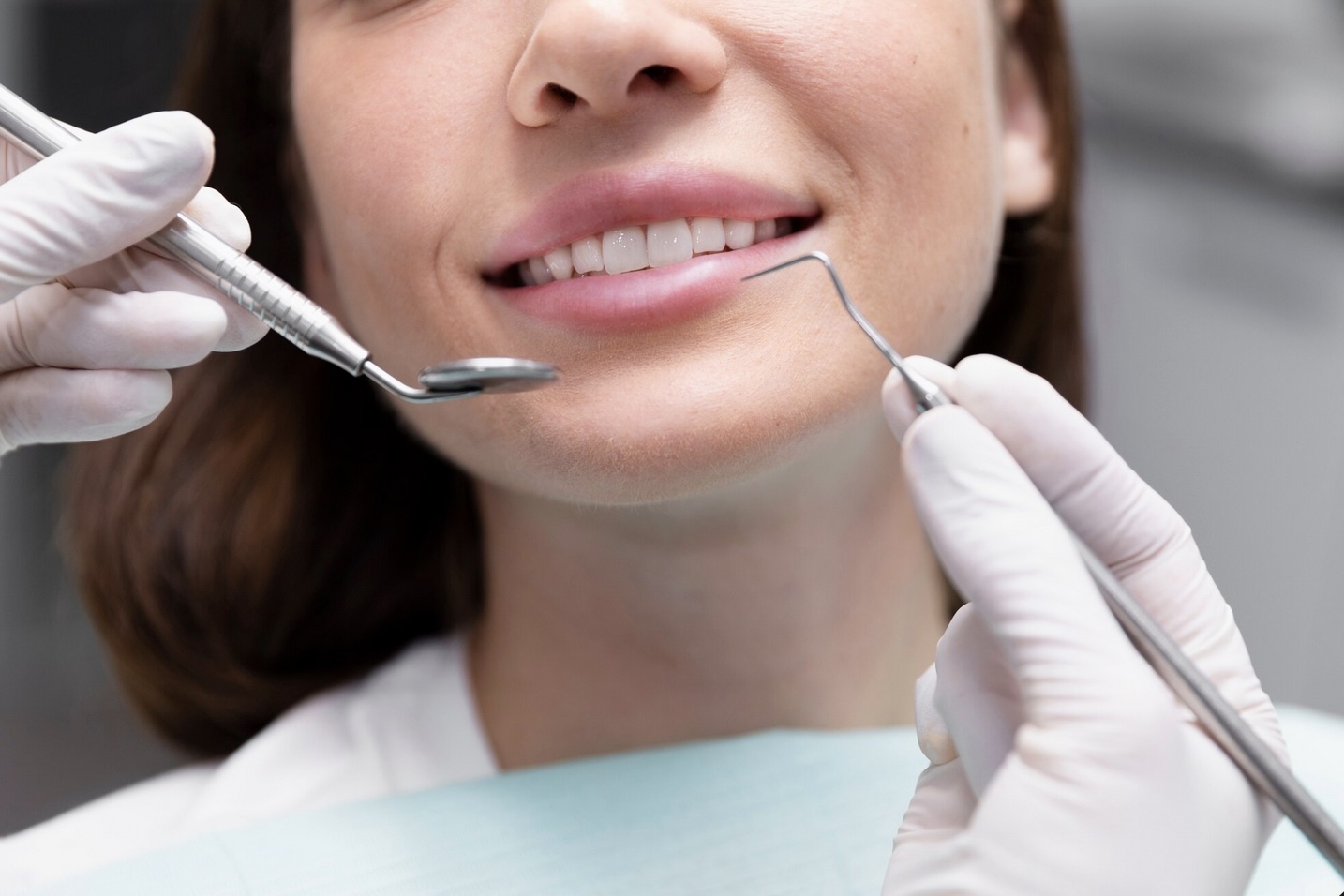
Both Invisalign and dental implants improve the appearance and function of a smile but serve very different purposes. Invisalign aligns and straightens the teeth, while dental implants replace missing teeth with a secure, permanent solution that looks and functions naturally.
Key Differences
Invisalign focuses on repositioning existing teeth using a series of clear, removable aligners. Dental implants, on the other hand, replace teeth that are missing or need extraction. An implant includes a titanium post anchored into the jawbone and topped with a custom crown.
Invisalign typically takes 6–18 months, depending on how much correction the teeth need. Implants require several months for the bone to heal around the post before the crown is attached. Invisalign is minimally invasive, while implants involve minor oral surgery.
| Feature | Invisalign | Dental Implants |
|---|---|---|
| Purpose | Straighten existing teeth | Replace missing teeth |
| Invasiveness | Non-surgical | Surgical |
| Duration | 6–18 months | Several months including healing |
| Maintenance | Daily cleaning, retainer use | Regular brushing and flossing like natural teeth |
Each treatment enhances oral health differently. Invisalign can improve bite alignment and reduce wear on teeth. Implants restore normal chewing ability and prevent bone loss in areas where teeth are missing.
When to Choose Invisalign
Invisalign suits individuals with mild to moderate crowding, gaps, or misalignment. Many adults and teens prefer it because the clear aligners are nearly invisible and easy to remove for eating and cleaning. It allows patients to maintain normal oral hygiene without special tools.
Those with healthy gums, adequate bone support, and no major restorative needs usually do well with Invisalign. The treatment depends on patient consistency—aligners must stay in place 20–22 hours daily.
Invisalign can also prepare the mouth for other procedures. For example, straightening teeth first may create the correct spacing for a later dental implant. This step-by-step approach often leads to better overall aesthetics and bite function.
When Dental Implants Are Recommended
Dental implants are ideal for patients missing one or more teeth due to injury, decay, or gum disease. They provide a long-term replacement that looks and feels natural. Because implants fuse with the jawbone, they help maintain bone structure and facial shape.
Dentists often recommend implants when nearby teeth are healthy and do not need to be ground down for a bridge. They are also beneficial for people tired of ill-fitting dentures or partials.
Proper candidacy depends on having enough bone density and healthy gums. If bone loss has occurred, grafting may be needed first. Once healed, the implant acts like a natural root, offering strength and stability. Patients who invest in implants often regain confidence in speaking and eating comfortably.
Benefits of Modern Dental Solutions
Advancements in dental care now allow patients to restore damaged teeth, replace missing ones, and align smiles with greater comfort and convenience. The focus has shifted toward treatments that blend aesthetics, durability, and oral health, helping individuals enjoy better function and appearance.
Smile Restoration
Modern dental solutions such as implants, veneers, and Invisalign help patients regain natural-looking smiles. Dental implants act as strong replacements for missing teeth, restoring both appearance and bite strength. When aligned properly using Invisalign, results look more balanced and feel natural.
These treatments are designed to match the surrounding teeth in color and shape. This attention to detail allows individuals to smile, talk, and eat confidently. Many patients also find that restoring their smile improves facial harmony since properly aligned teeth support lips and cheeks more evenly.
Unlike older methods that focused only on aesthetics, today’s solutions combine restorative dentistry with digital planning tools. Dentists use precise imaging to map treatment from start to finish, creating predictable outcomes and efficient recovery times.
Comfort and Confidence
Traditional orthodontics and dentures once required bulky materials that could feel awkward or painful. Modern innovations have replaced that experience with sleeker, patient-friendly designs. Clear aligners are removable and smooth-edged, preventing irritation to gums and lips. Implants stay fixed and stable, eliminating the need for adhesives or frequent adjustments.
Comfort directly affects confidence. When patients no longer worry about slipping dentures or visible metal brackets, they smile more naturally. Everyday activities like eating, speaking, and laughing become easier, supporting both social and emotional well-being.
In addition, advancements in imaging and guided placement mean that treatment is planned carefully before any procedure begins. This reduces chair time and postoperative discomfort, helping patients return to normal routines quickly.
Long-Term Oral Health
Beyond cosmetic improvements, these dental treatments also protect long-term oral health. Implants stimulate bone tissue, preventing bone loss that often follows tooth extraction. This helps keep the jaw strong and preserves facial structure over time.
Proper alignment with Invisalign reduces uneven wear and makes oral hygiene easier. Straight teeth are simpler to brush and floss effectively, lowering the risk of decay and gum disease. Patients maintain their results longer when guided by consistent home care and periodic dental visits.
Modern materials and digital technologies ensure durable, biocompatible outcomes. Titanium implants, ceramic crowns, and flexible aligners are designed to last with proper care. Choosing up-to-date dental options means prioritizing both the present comfort and the future health of one’s smile.
Candidacy and Consultation Process
Each patient’s dental journey begins with understanding whether Invisalign or dental implants align with their oral health needs, lifestyle, and long-term goals. A thorough evaluation helps determine suitability, ensures safe outcomes, and allows the dentist to design a treatment plan that fits naturally into daily life.
Who Can Benefit from Invisalign?
People with mild to moderate alignment issues often find Invisalign an effective and convenient choice. It can address concerns such as crowding, small gaps, mild overbites, or underbites, and even help with relapse after previous orthodontic work. Because Invisalign aligners are clear and removable, they fit well into a professional or social lifestyle where appearance and flexibility matter.
Patients must be committed to wearing the aligners for roughly 20–22 hours per day and maintaining good oral hygiene habits. Younger teens may need reminders or support to stay consistent, while adults typically appreciate the discretion and comfort compared to metal braces.
A dentist or orthodontist evaluates not just tooth positions but also gum health, bone support, and bite alignment before recommending treatment. Certain complex cases may still require traditional braces, but most adults and older teens are potential candidates once these basics are met.
Who Is a Good Candidate for Dental Implants?
Dental implants suit individuals who have lost one or more teeth and want a stable, long-lasting replacement. Candidates should have healthy gums, sufficient bone density, and no untreated decay or gum disease. These factors allow the implant’s titanium post to integrate securely with the jawbone.
Smokers or patients with uncontrolled diabetes may need additional screening, as these conditions can slow healing. However, many patients can still move forward after targeted treatment or lifestyle changes.
Age is less important than overall health. Even older adults often qualify for implants if their bone strength is adequate. For patients lacking bone volume, bone grafting or similar procedures can rebuild support before implantation. This careful preparation ensures long-term comfort and function.
Initial Assessment and Treatment Planning
The consultation starts with a detailed oral exam, imaging such as digital scans or X-rays, and a conversation about the patient’s goals. The dentist reviews alignment, bone structure, and gum condition to determine which treatment best meets those needs.
Treatment planning follows a personalized approach. For Invisalign, clinicians create a 3D model of the teeth to predict movements and design clear aligners for each stage. For implants, mapping technology guides placement for stability and natural appearance.
Patients receive a breakdown of estimated treatment time, cost, and maintenance routines before any procedure begins. This transparency helps them make an informed choice. A supportive dental team answers questions and encourages patients to schedule follow-ups to stay on track with their care plan.
Your Journey to a Healthier Smile
A confident smile often begins with thoughtful planning and personalized care. Modern dentistry combines treatments like Invisalign and dental implants to improve both function and appearance while supporting long-term oral health.
What to Expect During Treatment
The process usually begins with a comprehensive evaluation. Dentists assess the patient’s teeth, bite, and gum condition using digital scans or 3D imaging. This helps determine whether orthodontic adjustments with Invisalign should occur before or after implant placement.
If teeth need alignment first, clear aligners gently shift them into better positions over several months. Once alignment stabilizes, the dentist can plan and place the implant with greater precision. In other cases, the implant may need to heal before Invisalign begins, ensuring it remains stable while surrounding teeth adjust.
Patients typically attend regular checkups every 6 to 8 weeks. These visits allow the dentist to monitor progress, make small adjustments, and ensure comfort.
A basic timeline may look like this:
| Step | Description | Approximate Duration |
|---|---|---|
| Consultation & Imaging | Evaluate teeth and jaw | 1–2 visits |
| Invisalign Treatment | Gradual tooth alignment | 6–18 months |
| Implant Placement | Titanium post inserted | 1 visit |
| Healing & Final Restoration | Crown or bridge added | 3–6 months |
Each stage is tailored to the individual’s oral health needs, helping them move toward a natural-looking and lasting result.
Caring for Your New Smile
Daily care plays a major role in treatment success. Patients should brush twice a day with a soft-bristled brush, floss carefully around implants, and clean aligners using recommended solutions. Avoiding sticky or hard foods protects both the aligners and implant crown.
Regular dental visits are vital. Professional cleanings remove plaque in hard-to-reach areas and allow early detection of any issues with the implant or gum tissue.
Good oral hygiene supports tissue healing and prevents inflammation around the implant. Many dentists suggest using an antimicrobial mouth rinse or interdental brushes for thorough cleaning. Staying consistent with these habits helps maintain healthy gums and a stable implant foundation.
Next Steps and Support
After completing Invisalign and implant treatment, follow-up appointments help keep the smile strong and aligned. The dentist checks bite alignment, implant stability, and general oral health at these visits.
Patients may receive a retainer to preserve alignment achieved through Invisalign. Wearing it as directed prevents teeth from shifting. Those with implants should schedule at least two cleanings per year and contact their dentist promptly if they notice discomfort or looseness.
Dental teams often create customized maintenance plans to fit lifestyle needs. They also provide ongoing education and friendly reminders to ensure long-term success. For anyone considering these treatments, scheduling a consultation can offer personalized guidance and reassurance before taking the next step toward a healthier smile.
Frequently Asked Questions
Patients often wonder how Invisalign and dental implants fit together in modern dentistry. Each serves a unique purpose: one aligns teeth discreetly, while the other restores missing ones. Understanding how they interact helps individuals make informed choices about timing, treatment combinations, and long-term results.
What are the differences between Invisalign treatment and traditional dental implants?
Invisalign gently moves natural teeth into better alignment using a series of clear, removable aligners. Dental implants, on the other hand, replace missing teeth with titanium posts anchored into the jawbone.
While Invisalign focuses on improving the position and spacing of existing teeth, implants restore function and stability where teeth are missing. Together, they can enhance both appearance and bite health.
Is it possible to undergo Invisalign treatment if I already have dental implants?
In many cases, yes. Invisalign can still be effective when a patient has one or more implants in place. Because implants do not move like natural teeth, the treatment plan is designed around their fixed position.
An experienced Invisalign provider can adjust aligner design to guide surrounding teeth into proper alignment without affecting the implant. Careful planning ensures a natural, balanced smile.
How should one decide if they should receive Invisalign treatment before or after getting dental implants?
Timing depends on the individual’s dental needs. If teeth need repositioning before placing an implant, Invisalign is often completed first to create the right spacing.
However, if a missing tooth is causing bite imbalance or jawbone changes, a dentist might recommend placing the implant first. The decision should come after a full evaluation of tooth position, bone health, and aesthetic goals.
Can Invisalign aligners accommodate missing teeth, or is an implant necessary first?
Invisalign can often include a placeholder or “pontic” within an aligner to fill a visible gap during treatment. This feature maintains the look of a full smile while other teeth are shifting.
If the gap results from a missing tooth that needs permanent replacement, an implant may follow after Invisalign finishes. The sequence ensures both alignment and stability are achieved.
What are the considerations for using Invisalign if I have crowns or bridges?
Most crowns work well with Invisalign, but bridges require more attention since multiple connected teeth move as a unit. A dentist will evaluate which teeth can safely move and adjust the treatment plan accordingly.
Aligner design can be customized to protect existing dental work while still improving overall alignment. Proper fit and communication with the dentist help maintain the health of restored teeth.
How do reviews and user experiences compare Invisalign and dental implants in terms of effectiveness and comfort?
Patients often describe Invisalign as more comfortable than fixed metal braces, appreciating the smooth aligners and flexibility of removable trays. Dental implants receive praise for their stability and ability to look and feel like real teeth once healed.
Both treatments offer high satisfaction when designed for the patient’s unique situation. People value the confidence that comes from better alignment and restored smiles, often noting improved comfort in eating and speaking.
Anyone considering Invisalign, implants, or both should schedule a consultation with a qualified dental provider. Personalized guidance helps ensure every step leads toward a healthy, natural-looking smile.