
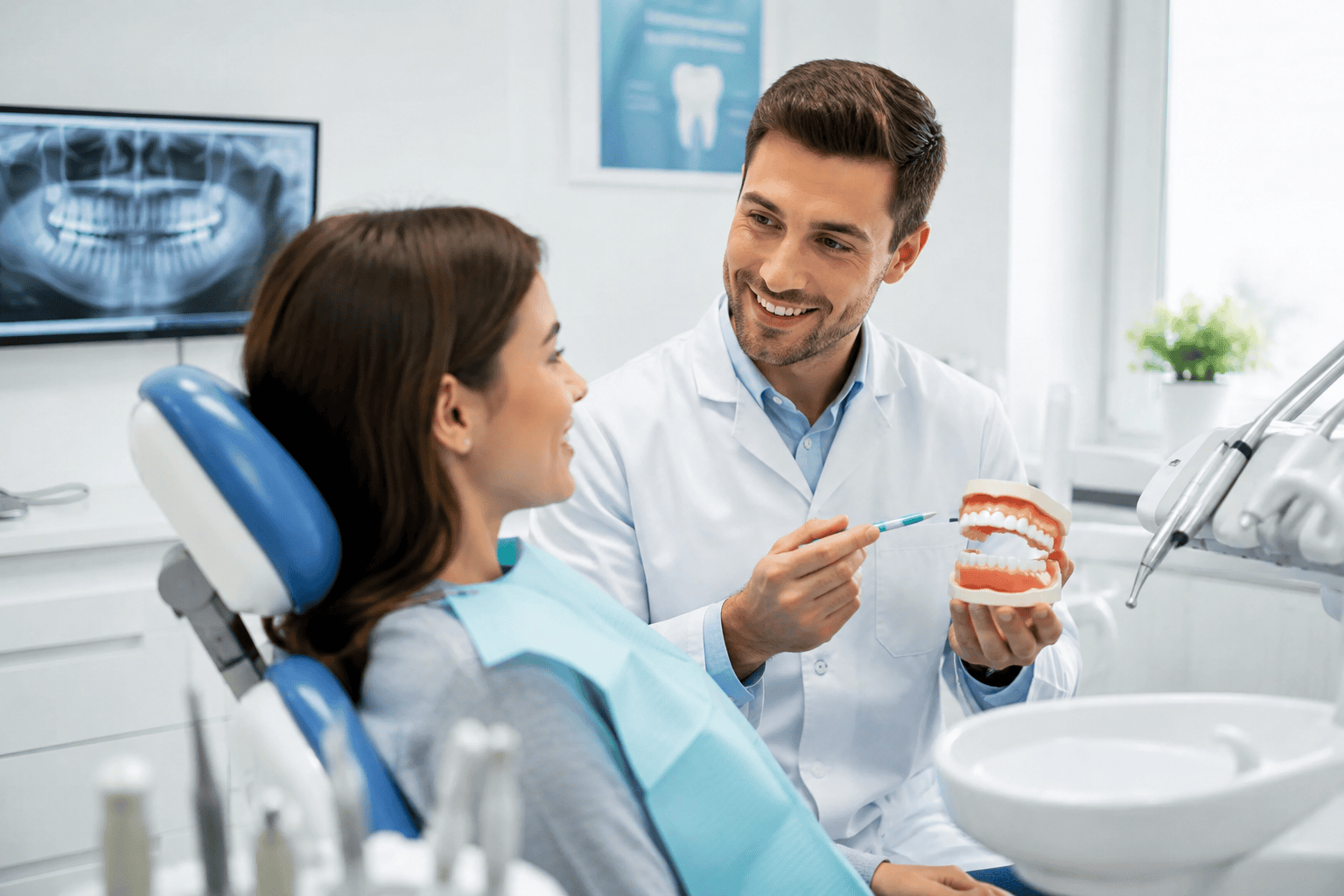
You’ll find practical, local guidance on dental cleaning in Sterling, IL that helps you decide when to schedule care and what to expect at your visit. If you want a gentle, effective cleaning that protects your smile and fits your budget, this article explains the services, costs, and how to choose the right dental team in Sterling.
They will walk through what happens during a typical appointment, the benefits of professional cleanings, and patient-friendly options for sensitive gums or dental anxiety. Expect clear tips for maintaining oral health between visits and straightforward advice on payment options and scheduling so you can take the next step with confidence.
What to Expect During Your Cleaning Appointment
Patients will experience a calm, structured visit focused on comfort, effective plaque and stain removal, and clear home-care instructions. The team uses gentle techniques, a predictable cleaning sequence, and strict infection-control practices to protect health and reduce anxiety.
Gentle Techniques for Comfort
The clinician begins with a brief review of medical history and any current sensitivity issues to tailor pressure and instruments. They apply topical desensitizers or a small amount of local anesthetic gel when needed to numb tender spots before working on sensitive areas.
Ultrasonic scalers remove heavy tartar quickly while minimizing scraping; the hygienist alternates with hand instruments for precision around tight contacts. A continuous suction and water spray control spray and noise, and the chair position changes frequently to reduce neck strain for both patient and clinician.
For patients with strong gag reflexes or dental anxiety, distraction tools like music, short breaks, and communication signals (raise a hand to pause) help maintain comfort. The clinician checks patient comfort throughout and documents any ongoing sensitivity for follow-up.
Step-by-Step Cleaning Process
The appointment generally follows four clear stages to keep the visit efficient and thorough. It starts with an oral exam and charting of existing restorations, followed by supragingival cleaning to remove visible plaque and stains using polish paste and a rotating cup.
Next, the hygienist performs scaling to remove calculus from above and below the gumline, targeting pockets deeper than 3 mm while monitoring bleeding and inflammation. Interproximal cleaning with floss or interdental brushes addresses contact points; the clinician demonstrates the technique for home use.
The visit finishes with fluoride varnish or a topical fluoride rinse when indicated, plus personalized advice on toothbrush type, brushing technique, and interdental aids. The hygienist schedules recall intervals—typically every six months or sooner for periodontal maintenance—based on individual risk.
Safety and Hygiene in the Clinic
Sterilization follows hospital-grade protocols: reusable metal instruments undergo ultrasonic cleaning, packaging, autoclaving, and are opened in the operatory before use. Single-use disposables—prophy angles, suction tips, and gloves—arrive sealed and are discarded after one patient.
Staff wear PPE including masks, eye protection, and gloves; they change gloves between patients and perform hand hygiene with alcohol-based rubs or soap and water. High-efficiency evacuation, surface barriers, and EPA-registered disinfectants reduce cross-contamination of chairs, counters, and light handles.
Digital X-rays, if required, use sensors cleaned between uses and emit significantly less radiation than film. The clinic documents infection-control training and equipment maintenance, offering transparency about procedures if patients request to see sterilization logs or ask questions.
Benefits of Professional Dental Cleanings
Professional dental cleanings remove plaque, tartar, and surface stains that daily brushing and flossing often miss. They also give a licensed dental hygienist a chance to check for early signs of problems and recommend treatment before issues worsen.
Preventing Gum Disease
Regular cleanings remove hardened tartar below the gumline, where bacteria trigger inflammation and gingivitis. A hygienist uses scaling instruments or ultrasonic scalers to break up deposits and smooth root surfaces, reducing pockets where bacteria hide.
Early intervention reverses gingivitis in most patients and prevents progression to periodontitis, which causes bone loss and tooth mobility. Patients with diabetes, smokers, or those on certain medications face higher risks, making more frequent cleanings (every 3–4 months) a common recommendation.
During visits, hygienists also measure pocket depths, document bleeding points, and teach targeted home-care techniques—like modified brushing or interdental cleaning—tailored to the patient’s oral anatomy and risk factors.
Protecting Overall Health
Bacterial inflammation in the mouth can affect other body systems when left untreated. Clinical studies link untreated periodontal disease with elevated risk markers for cardiovascular disease, poor glycemic control in diabetes, and adverse pregnancy outcomes.
Professional cleanings lower oral bacterial load and reduce inflammation markers, helping physicians and dentists manage chronic conditions more effectively. For patients preparing for joint replacement or cancer therapy, many clinics coordinate pre-treatment dental clearance to lower infection risk.
Hygienists also document oral findings that may indicate systemic issues, such as unusual mucosal lesions or persistent bleeding, prompting timely referrals to physicians or specialists.
Brighter and Fresher Smiles
Professional polish and stain removal restore tooth brightness by eliminating coffee, tea, tobacco, and pigment buildup. Hygienists can apply polishing pastes, air-polishing, or stain-specific techniques to improve aesthetics without altering tooth enamel.
Cleanings also reduce bad breath by removing food debris and bacterial biofilm from difficult-to-reach areas like back molars and tongue margins. For chronic halitosis, clinicians combine cleaning with targeted treatments—such as tongue cleaning, antimicrobial rinses, or salivary assessments—to address underlying causes.
For patients considering whitening or cosmetic work, a clean, stain-free surface gives more predictable and longer-lasting results from whitening procedures or restorations.
Choosing the Right Dental Team in Sterling, IL
Find a practice that prioritizes patient comfort, uses up-to-date equipment, and has clear, positive feedback from local patients. Look for measured details like staff credentials, advanced imaging, sedation options, and specific patient stories that match your needs.
Qualities of a Friendly Dental Practice
A friendly practice greets patients by name and keeps the waiting room time under 15 minutes when possible. Staff should explain procedures in plain language, show certifications (DDS, RDH), and offer written care plans and cost estimates before treatment.
Comfort measures matter: private treatment rooms, noise-cancelling headphones, heated blankets, and multiple sedation levels (nitrous oxide, oral sedation) help anxious patients. Accessibility is important too — check for convenient hours, wheelchair access, and online scheduling.
Insurance and billing transparency reduce surprises. A practice that accepts VA benefits or helps submit claims demonstrates administrative competence. Staff who follow up after procedures and maintain electronic health records show reliability and continuity of care.
Modern Technology in Use
Look for digital X-rays and cone beam CT (CBCT) for precise imaging with lower radiation than film. These tools help dentists detect decay, plan crowns, and assess bone for implants more accurately.
Intraoral scanners and CAD/CAM systems let many clinics design and deliver same-day restorations, reducing appointments. Laser therapy and ultrasonic scalers improve periodontal care and speed healing with less discomfort.
Sterile, up-to-date instruments and an accredited sterilization protocol matter for safety. Practices that publish technology lists on their website — including software for reminder texts and secure patient portals — make coordination easier for working patients and veterans.
Patient Testimonials and Experiences
Read recent reviews that mention specific providers, procedures, and timelines rather than generic praise. Look for comments about pain management, appointment punctuality, and whether the team explained aftercare clearly.
Seek out before-and-after photos for restorations, cleanings, or gum treatments to judge quality visually. Pay attention to responses from the practice: prompt, empathetic replies to negative reviews indicate good patient relations.
Ask neighbors, coworkers, or local veterans’ groups for personal referrals. Direct conversations often reveal details reviews omit, such as how staff handle VA paperwork or coordinate with medical providers.
Tips for Maintaining Oral Health Between Appointments
Daily small habits keep teeth and gums healthy and reduce the chance of needing extra treatments. Focus on effective brushing, consistent flossing, and using targeted products recommended by dental professionals.
Daily Brushing and Flossing Habits
They should brush twice daily for two minutes each time using a soft-bristled brush. Angle the brush 45 degrees toward the gum line and use gentle, short strokes across all tooth surfaces. Electric toothbrushes with timers help maintain the two-minute habit and improve plaque removal for many patients.
Flossing once daily removes plaque between teeth where brushes can’t reach. They can choose traditional floss, floss picks, or interdental brushes depending on spacing; interdental brushes work best for wider gaps. If gums bleed initially, maintain flossing—bleeding usually decreases within a week with proper technique.
Use a fluoride toothpaste containing at least 1,000–1,500 ppm fluoride to strengthen enamel. Replace the toothbrush or brush head every three months or sooner if bristles fray. After eating sugary or acidic foods, rinse with water and wait 30 minutes before brushing to avoid enamel abrasion.
Choosing the Best Oral Care Products
They should select products based on oral health needs: sensitivity, cavities, gum disease, or dry mouth. For sensitivity, choose desensitizing toothpaste with potassium nitrate or stannous fluoride. For high cavity risk, a prescription-strength fluoride gel or mouthwash may be recommended by the dentist.
Look for the ADA Seal on toothpaste and mouthwash as a baseline for safety and effectiveness. For gum care, consider an antimicrobial mouthwash with chlorhexidine only when prescribed, since long-term use can stain teeth and alter taste. Alcohol-free rinses suit patients with dry mouth or mucosal sensitivity.
Electric toothbrushes with pressure sensors prevent aggressive brushing that harms gums. For braces or implants, use interdental brushes and orthodontic flossers designed to clean around hardware. They should discuss product choices at each visit to match changing needs and medical conditions.
Dental Cleaning Options for Every Patient
Patients in Sterling, IL can choose cleanings that match their periodontal health, sensitivity, and lifestyle. Options range from quick preventive visits to thorough periodontal therapy, with modifications available for tooth sensitivity and anxiety.
Routine vs. Deep Cleanings
Routine cleaning (prophylaxis) targets plaque and surface stains on healthy teeth and gums. A dental hygienist uses ultrasonic scalers and hand instruments, then polishes teeth and applies fluoride if indicated. These visits typically take 30–60 minutes and suit patients with healthy gums or mild gingivitis. Insurance often covers at least one routine cleaning per year.
Deep cleaning (scaling and root planing) treats established periodontal disease by removing tartar below the gumline and smoothing root surfaces. It may be performed quadrant-by-quadrant across multiple visits and often includes local anesthesia. Follow-up includes periodontal maintenance every 3–4 months to monitor pocket depths and prevent recurrence. Patients with bleeding gums, pockets greater than 4 mm, or loose teeth should expect this level of care.
Care for Sensitive Teeth
For patients with tooth sensitivity, clinicians adjust cleaning techniques to minimize discomfort. Hygienists may use low-power ultrasonic settings, soft-tipped scalers, and topical desensitizing agents containing fluoride or potassium nitrate. These changes reduce cold, air, and touch sensitivity during and after the appointment.
Home-care recommendations support in-office measures: desensitizing toothpaste twice daily, a soft-bristled brush with gentle technique, and avoiding highly acidic foods for 24–48 hours after treatment. If sensitivity persists, the dentist evaluates for enamel erosion, exposed roots, or cavities and discusses options such as fluoride varnish, bonding, or a prescription-strength desensitizer.
Cost and Payment Information
Typical out-of-pocket costs, insurance coverage, and ways to stretch preventive benefits will determine what patients actually pay. Sterling-area rates vary by practice, the type of cleaning (prophylaxis vs. deep cleaning), and whether periodontal therapy or X-rays are needed.
Insurance and Payment Plans
Most local practices accept major PPO dental plans and Illinois Medicaid/medical benefits for eligible services. For a routine adult prophylaxis, co-pays or patient responsibility often ranges from $0 on in-network preventative coverage to $75–$150 if the plan has limited preventive benefits or the patient is out-of-network. Scaling and root planing (deep cleaning) commonly carries a higher patient portion—often $150–$400 per quadrant before insurance adjustments.
Dental offices in Sterling typically verify benefits before the appointment and give an estimated cost breakdown. Many offices offer in-house payment plans (3–12 months interest-free) or third-party financing (CareCredit, LendingClub) for larger treatments. Patients should bring plan ID, employer info, and any coordination-of-benefits cards to speed verification.
Maximizing Preventive Benefits
Patients should confirm if their plan covers two cleanings and two oral exams per 12-month period; many PPOs do. Scheduling cleanings at least six months apart preserves coverage timing and reduces risk of extra charges for missed preventive windows. Ask the office to submit pre-treatment estimates for any proposed periodontal therapy so patients see expected insurance payments and remaining balances.
Use flexible spending accounts (FSA) or health savings accounts (HSA) to pay patient portions tax-free. Keep itemized receipts and claim forms when needed for reimbursement. If concerns about cost exist, discuss phased treatment—prioritizing urgent care and spreading elective procedures—to keep monthly expenses manageable.
When to Schedule Your Next Visit
Most patients should plan routine cleanings every six months to keep plaque and tartar under control. This schedule helps prevent cavities, gum disease, and keeps X-rays and oral exams up to date.
People with gum disease, diabetes, or a history of heavy plaque buildup may need visits every 3–4 months. The dental team will recommend a personalized interval based on pocket depths, bleeding, and response to treatment.
If a patient notices persistent bad breath, loose teeth, or bleeding gums, they should book an appointment sooner. These signs can indicate active gum inflammation that benefits from prompt professional care.
After restorative work—such as crowns, bridges, or implants—follow-up cleanings at shortened intervals are often advised. Regular maintenance protects the investment and helps catch early problems.
Pregnant patients are encouraged to schedule at least one cleaning during pregnancy and more often if gum irritation occurs. Pregnancy can change oral health, and the office can provide safe, timely care.
Use reminders from the dental office, your calendar app, or a printed card to keep appointments consistent. If unsure about the right timing, patients should call the practice for a quick assessment and tailored recommendation.
A Warm Invitation to Call or Book Online
They welcome patients with a friendly phone staff ready to answer questions about appointments, insurance, or treatment options. Callers hear clear, patient-centered explanations and can schedule times that fit their day.
Online booking provides a quick alternative for those who prefer digital convenience. The system shows available slots, service types, and clinician options so patients choose what suits them.
Patients can expect helpful reminders and easy rescheduling when plans change. The practice offers both phone support and online help for forms, new-patient paperwork, and payment options.
Benefits at a glance:
- Phone: personal assistance, insurance guidance, same-day availability checks
- Online: 24/7 booking, appointment confirmations, secure intake forms
They encourage anyone with questions—about cleaning frequency, comfort measures, or COVID-19 safety—to reach out. A brief call or a few clicks can start a comfortable, modern dental experience focused on prevention and patient comfort.
Frequently Asked Questions
This section answers common practical concerns about VA dental cleaning in Sterling, IL, including eligibility, application steps, use of community care, locating clinics, cost-sharing, and self-pay prices.
Who qualifies for VA dental care, and what benefits does that usually include?
Eligibility depends on VA service-connected dental status, specific discharge conditions, or enrollment priority group. Veterans with service-connected dental issues, those needing dental care related to a VA-rated condition, or veterans in certain programs (e.g., homeless veterans, former POWs) commonly qualify.
Typical benefits for eligible veterans include preventive cleanings, exams, X-rays, fillings, extractions, and prosthetics when medically necessary. Coverage varies by veteran category; cosmetic procedures are generally not covered.
How do I apply for VA dental care, and what paperwork should I have ready?
Applicants use VA Form 10-0388 or apply through the VA.gov dental benefits page; some local VA clinics accept in-person applications. Have your DD-214 (or other discharge paperwork), VA ID or VA file number, and recent medical records ready.
Bring supporting documents for service-connected conditions or statements from treating clinicians if dental needs relate to a service injury. If applying under homelessness or other special programs, carry enrollment documentation for that program.
Can I use VA community care for dental cleanings if the nearest VA clinic is far away?
VA community care for dental services is limited and typically available only when community care is authorized for other medical needs or under specific VA programs. Routine dental cleanings are usually provided at VA dental clinics for eligible veterans rather than through community care unless preauthorized.
Veterans should contact their local VA facility’s community care or dental referral office to confirm authorization and network providers before scheduling care.
Where can I find the closest VA dental clinic location and how do I schedule an appointment?
Locate the nearest VA clinic using VA.gov’s facility locator and filter for dental services; the Sterling, IL area is served by the Rockford VA clinic for many dental referrals. Call the listed clinic phone number or use the VA appointment system online to request or schedule a dental cleaning.
If enrolled in VA health care, veterans can also contact their primary VA medical facility to request a dental referral or to get assistance scheduling.
Is VA dental care ever free, and what factors determine whether there’s a copay?
Some VA dental services have no copay for veterans whose dental care is directly related to a service-connected condition or who qualify under special programs (e.g., POWs, homeless veterans). Other eligible veterans may face copays based on treatment type, priority group, and whether care is preventive or restorative.
Copay amounts and exceptions vary; veterans should review current VA dental copay schedules or ask the local VA dental office for exact charges before treatment.
How much does a typical dental cleaning cost if I’m paying out of pocket?
Out-of-pocket costs vary by clinic and whether X-rays or deeper scaling are needed. In the Sterling area, a standard adult prophylaxis (routine cleaning) typically ranges from about $75 to $150 at private dental offices, while deeper periodontal cleanings may cost $150–$300 or more.
Call local private dentists for exact quotes, and ask whether the price includes X-rays, exam fees, or follow-up care.