
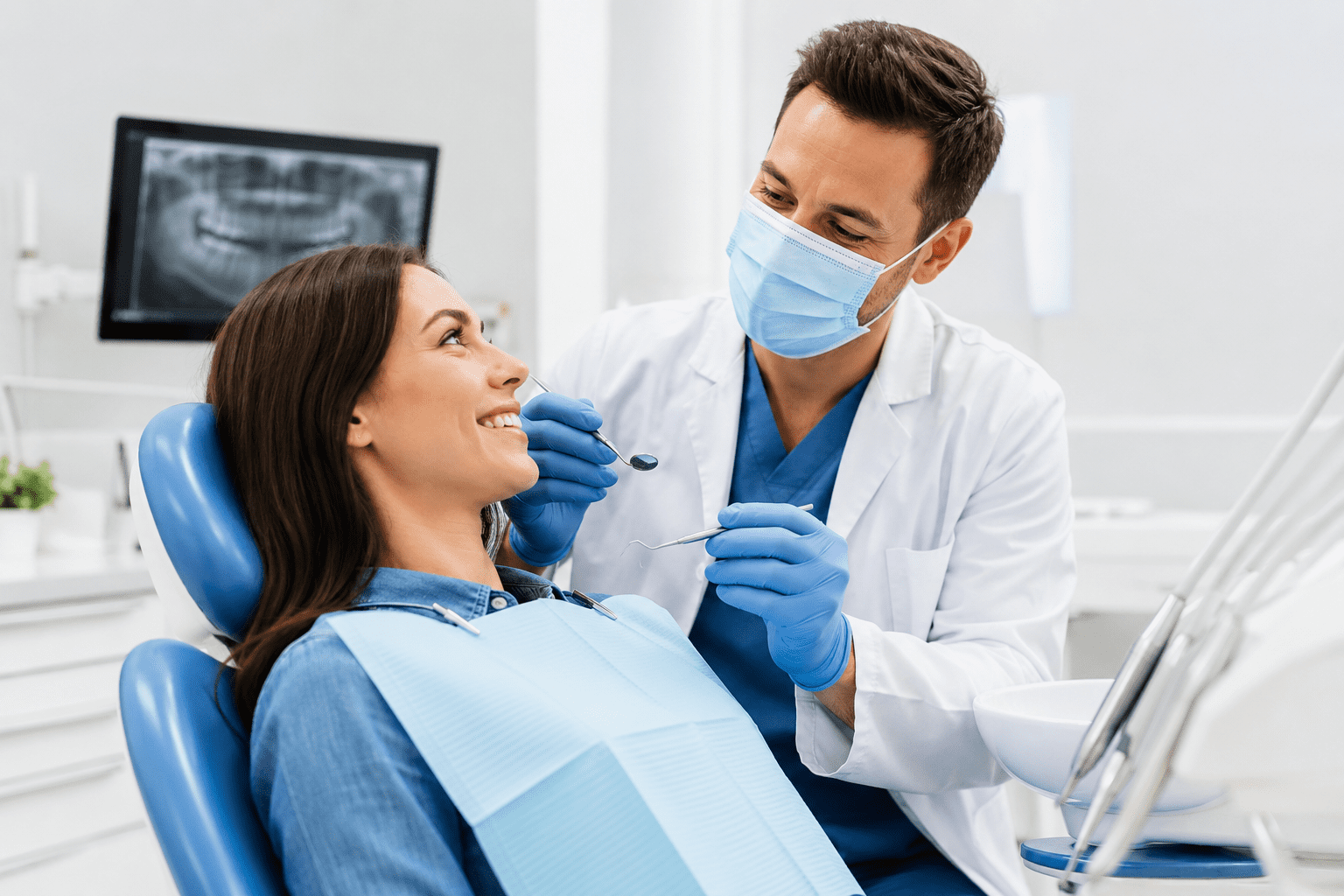
You can find affordable dental check-ups near VA Sterling, IL without sacrificing comfort or modern care. Look for local clinics that offer transparent pricing, preventive-focused exams, and flexible payment options to keep costs low while protecting your smile.
They’ll explain why regular visits prevent costly problems and point you to budget-friendly options like sliding-scale clinics, in-network providers, or simple preventive plans. Expect warm, modern offices that prioritize comfort, explain treatments in plain language, and empower you to take small steps that make a big difference for long-term oral health.
Why Regular Dental Visits Matter
Regular dental visits help catch small problems before they become serious, reduce long-term costs, and protect overall health. Patients who schedule routine exams and cleanings in Sterling, IL benefit from early detection, less invasive treatment, and coordination with medical care when needed.
Early Detection of Dental Issues
Dentists spot cavities, gum disease, and enamel wear before pain starts. During a typical exam, a dentist or hygienist checks for soft spots, measures pocket depths around teeth, and takes X-rays when indicated to reveal decay between teeth or problems under restorations.
Detecting an issue at the earliest stage often means a simple filling or a targeted hygiene visit instead of root canal therapy or extraction. For example, a small, radiolucent lesion on an X-ray can be restored quickly, preserving tooth structure and function.
Routine visits also identify bruxism (teeth grinding) and early signs of oral cancer. A visual and tactile oral cancer screen during each check-up can catch suspicious lesions while they are still highly treatable.
Long-Term Cost Savings
Prevention and early treatment lower the total cost of dental care over time. A clean-and-check exam that costs a modest copay typically prevents new cavities and reduces the frequency of expensive procedures like crowns, implants, or complex root canals.
Many Sterling-area clinics offer preventive packages or sliding-scale fees to make regular visits affordable. Patients who invest in twice-yearly cleanings and exams often avoid emergency visits that carry higher fees and more intensive treatments.
Insurance plans and dental savings programs usually cover preventive care at higher rates than restorative work. That coverage makes regular visits a cost-effective strategy to maintain oral health and limit out-of-pocket spending over several years.
Impact on Overall Health
Oral infections can influence systemic conditions such as diabetes, heart disease, and pregnancy outcomes. Periodontal inflammation raises markers of systemic inflammation; managing periodontal disease helps improve glycemic control in many patients with diabetes.
Dentists coordinate with primary care providers to monitor medication effects, like dry mouth from antihypertensives that raises cavity risk. They also flag nutritional issues or signs of eating disorders that show up first in the mouth.
For expecting mothers, periodontal care reduces risks associated with preterm birth and low birth weight. Maintaining periodontal health supports medication management, chronic disease control, and safer pregnancies through timely dental assessments and treatment.
Contact a local Sterling dental office to schedule a preventive exam or ask about low-cost check-up options and available insurance or discount plans.
Understanding Affordable Preventive Care
Affordable preventive dental care keeps small issues from becoming costly problems by focusing on routine exams, cleanings, and early detection. It emphasizes predictable, lower-cost visits, patient education, and care coordination to reduce the need for major treatment later.
What to Expect During a Dental Check-Up
A typical check-up in Sterling, IL begins with a short medical and dental history update to note medications, allergies, or recent changes. The hygienist then measures gum pockets and removes plaque and tartar with scaling and polishing; this usually takes 20–45 minutes depending on buildup.
Next, the dentist performs an oral exam and reviews X-rays taken either yearly or as needed to spot cavities, bone loss, or impacted teeth. The visit concludes with a discussion of findings, a written or verbal prevention plan, and recommendations for any follow-up such as fillings or periodontal care. Patients receive clear instructions for at-home care and any necessary referrals.
Common Services Included
Preventive visits typically include:
- Professional cleaning (prophylaxis) to remove plaque and tartar.
- Oral exam and soft-tissue cancer screening.
- Bitewing X-rays every 12–24 months for adults, more frequently for high-risk patients.
- Fluoride treatment for children or adults with high decay risk.
Many clinics in Sterling bundle these services into low-cost exam packages or offer discounted rates for uninsured patients. Insurance often covers routine exams and cleanings at 100% once the plan’s frequency limits are met. Clinics may also provide sliding-scale fees, payment plans, or community clinic days to increase affordability.
Frequency Recommendations for Adults and Kids
Adults with healthy gums and low decay risk can usually schedule check-ups every six months. Patients with a history of gum disease, frequent cavities, dry mouth, or systemic conditions like diabetes may need visits every 3–4 months for periodontal maintenance and closer monitoring.
Children often start dental visits by their first birthday and then follow a 3–6 month schedule based on cavity risk. Pediatric check-ups emphasize fluoride varnish, sealants for molars, and guidance on diet and brushing. Clinics in Sterling tailor visit intervals to individual risk profiles while balancing cost and preventive benefit.
Choosing the Right Local Dentist in Sterling, IL
Look for a dentist who balances clear communication, affordable care, and modern equipment. Practical details like office hours, insurance acceptance, and emergency availability often matter more than flashy ads.
Qualities of a Friendly, Trustworthy Provider
A trustworthy dentist maintains transparent pricing and explains fees before treatment. They post or provide written estimates, accept VA benefits or Medicaid if applicable, and offer payment plans for larger procedures.
Staff behavior signals patient-centered care. Receptionists should answer insurance questions clearly, hygienists should explain each cleaning step, and clinicians should invite questions without rushing the visit.
Clinical competence shows in continuing education and up-to-date technology. Look for digital X-rays, intraoral cameras, and sedation options when needed. Licensing and positive, recent patient reviews on Google or local health sites confirm reliability.
Accessibility and comfort matter for regular visits. Check weekday and early evening hours, wheelchair access, and options for anxious patients like nitrous oxide. A practice that follows recommended infection-control protocols and gives clear aftercare instructions reduces stress.
Questions to Ask at Your First Visit
Start with logistics: “Do you accept my insurance or VA benefits?” and “What are typical costs for an exam, X-rays, and cleaning?” Clear answers prevent billing surprises and help compare practices.
Ask about experience and specialties: “How long have you treated adult preventive care?” and “Do you refer complex cases to local specialists?” This clarifies whether routine care or advanced restorative work fits the practice.
Discuss comfort and emergency care: “What sedation options do you offer?” and “How do you handle same-day emergencies or after-hours calls?” Knowing protocols eases anxiety and ensures quick care when needed.
Confirm preventive focus and follow-up: “What recall schedule do you recommend?” and “Do you provide written home-care instructions?” These details show whether the practice prioritizes prevention and long-term dental health.
Budget-Friendly Dental Options in VA Sterling
Patients in Sterling can find several practical ways to lower out-of-pocket costs for routine exams, cleanings, and basic restorative care. The most useful choices include selecting the right insurance or in-office payment plan and tapping local discount programs and community clinics that offer sliding-scale fees.
Insurance and Payment Plan Choices
Many Sterling dental offices accept major PPO plans like Delta Dental, MetLife, and Cigna, which often cover 100% of preventive visits after meeting any waiting periods. Patients should confirm network participation and annual maximums before scheduling to avoid surprise bills.
For those without employer coverage, dental-specific plans and membership plans offered by local practices provide reduced fees for exams, cleanings, and X-rays. Typical in-office membership costs range from $199–$399 per year and include two cleanings plus discounts on fillings and crowns.
CareCredit and other medical financing cards let patients split larger procedures into interest-free or low-interest monthly payments when they qualify. Offices commonly offer in-house payment arrangements for treatments not covered by insurance; patients should request a written estimate and payment schedule up front.
Discounted Services and Community Resources
The Stephenson County Health Department and nearby community health centers periodically host dental clinics offering low-cost or free preventive care. These events target uninsured residents and often require preregistration, proof of residency, or income verification.
Local dental schools and outreach programs sometimes run reduced-fee clinics or charity care days that include cleanings, extractions, and basic restorations. Appointments at these sites generally cost 30–70% less than private practice rates, though treatment may take longer due to training supervision.
Patients can also look for employer-sponsored dental discount programs or nonprofit vouchers available through social service agencies. Calling a handful of Sterling practices for price comparisons and asking about senior, student, or cash-pay discounts often yields significant savings.
Modern Comforts and Technology in Dental Care
The practice combines soothing patient-centered comforts with clear, practical technology that shortens appointments and improves results. Expect techniques that reduce anxiety and tools that let clinicians diagnose and treat more accurately.
Gentle Techniques for Patient Ease
Staff use targeted anxiety-reduction methods such as nitrous oxide, oral sedatives on request, and short, scheduled breaks during longer procedures. They explain each step before beginning and offer noise-cancelling headphones or music to minimize stress.
Clinicians favor atraumatic injection techniques: topical anesthetic gel, computer-controlled local anesthetic delivery (C-CLAD), and slow, warmed solutions when indicated. These choices reduce injection pain and post-op numbness.
For sensitive teeth, they apply desensitizing agents (potassium nitrate or fluoride varnish) and use micro-air polishing instead of coarse scaling when appropriate. Staff also schedule hygiene recalls at intervals tailored to the patient’s sensitivity and gum health.
Advancements that Improve Your Experience
Digital X-rays and intraoral cameras provide high-resolution images in seconds while cutting radiation exposure by up to 80% compared with traditional film. Patients can view images on chairside monitors, which helps the dentist explain findings clearly.
Cone beam CT scans are available for complex cases like implant planning or root anatomy assessment, giving precise 3D views that reduce surprises during treatment. For restorations, the office uses CAD/CAM systems to design and mill same-day crowns, avoiding multiple appointments and temporary crowns.
Laser-assisted therapy treats gum disease and speeds tissue healing with less bleeding and swelling. Electronic health records and online scheduling streamline check-ins, reminders, and insurance estimates to reduce administrative stress.
Empowering Patients for Preventive Wellness
Patients gain control of their oral health with a few daily habits and timely checks. Practical routines and simple symptom awareness reduce risk of cavities, gum disease, and costly treatments.
Simple At-Home Habits That Make a Difference
Brush twice daily for two minutes using a soft-bristled brush and fluoride toothpaste. Brushing removes plaque and reduces acid that harms enamel; angle the brush 45° along the gumline for best results.
Floss once daily to clear between-tooth areas where brushes can’t reach. If traditional floss is difficult, suggest interdental picks or floss holders to maintain consistency.
Rinse with an alcohol-free fluoride mouthwash after brushing when recommended by a dental professional. Mouthwash can lower bacteria and strengthen enamel, especially for patients with dry mouth or higher decay risk.
Limit sugary snacks and acidic drinks; when they are consumed, advise drinking water or rinsing the mouth afterward. Chew sugar-free gum with xylitol for 10–20 minutes after meals to stimulate saliva and neutralize acids.
Schedule professional cleanings and fluoride treatments as advised. Consistent at-home care plus periodic professional maintenance offers the best protection against progressive disease.
How to Recognize When to Seek a Check-Up
Look for persistent symptoms lasting more than two weeks: bleeding gums during brushing, constant bad breath, tooth sensitivity to hot or cold, or a loose tooth. Those signs often indicate gum disease, decay, or infection that needs prompt attention.
Pay attention to changes in bite, jaw pain, or clicking in the jaw joint. These can signal TMJ issues or teeth shifting from untreated problems and benefit from early evaluation.
Note any oral sores that don’t heal, lumps in the mouth, or white/red patches. These warrant professional examination to rule out precancerous conditions or infections.
Regular check-ups remain important even without symptoms. Patients with diabetes, smoking history, or dry mouth should consider more frequent visits because those factors increase oral disease risk.
Next Steps Toward a Healthy, Confident Smile
They should schedule a dental check-up at a clinic in Sterling, IL that offers affordable options and clear pricing. Regular exams catch small issues early and keep cleaning costs lower over time.
Patients can compare payment options before the visit. Many practices accept insurance, offer sliding-scale fees, membership plans, or financing; calling ahead saves surprises.
They should prepare a brief list for the appointment: current medications, recent dental concerns, and any anxiety triggers. Sharing these details helps the dental team tailor care and recommend comfort measures like nitrous oxide or breaks during treatment.
Daily home care remains essential between visits. Brushing twice a day with fluoride toothpaste and flossing once daily reduce decay risk and maintain gum health.
If restorative work is needed, patients should ask about modern, conservative treatments. Options such as tooth-colored fillings, bonded restorations, and minimally invasive crowns preserve more natural tooth structure.
Use the quick checklist below to take immediate action:
- Call to book a preventive check-up within 3 months.
- Confirm accepted insurance or ask about payment plans.
- Prepare health and anxiety notes for the dental team.
- Keep up daily brushing and flossing routines.
They can call the Sterling dental office with questions or to request a tour of the practice. A friendly conversation will clarify costs, comfort options, and next appointment availability.
Frequently Asked Questions
This section answers common practical questions about VA dental eligibility, finding providers near Sterling, and booking appointments. It clarifies what services veterans can expect, cost-saving options, and the best times to contact clinics.
Am I eligible for dental care through the VA, and what benefits does it cover?
Eligibility depends on service connection, discharge status, and specific VA programs. Veterans with a service-connected dental condition, those in certain treatment programs, and former POWs often qualify for VA dental care.
Routine coverage varies: the VA covers dental care related to a service-connected condition and some inpatient dental services. Preventive and routine restorative care for most veterans is limited unless they meet program criteria or are enrolled in specific VA benefits.
How can I find a VA-approved dental provider near Sterling, Illinois?
Use the VA Facility Locator on VA.gov and filter by dental services to find nearby VA dental clinics or contracted providers. Enter Sterling, IL, or the ZIP code 61081 for localized results.
Call the VA regional office or the local VA medical center in Rockford for direct referrals and lists of community providers that accept VA authorizations. Local veterans service organizations can also provide recommendations.
What does a typical dental check-up include, and how often should I schedule one?
A standard check-up usually includes a medical/dental history review, oral exam, dental cleaning (prophylaxis), and X-rays as needed. The dentist will screen for decay, gum disease, oral cancers, and evaluate bite or prosthetic needs.
Most adults benefit from a check-up every six months, but the dentist may recommend a different interval based on oral health, medication use, or chronic conditions like diabetes. High-risk patients might need visits every three to four months.
How do I book a VA dental appointment online, and what information will I need?
Book through VA.gov using the “Schedule and manage appointments” tool or the patient portal (My HealtheVet) if the local VA facility offers dental scheduling online. Some community care appointments require authorization via the VA Care in the Community portal.
Have your VA patient ID, date of birth, VA file number, and current contact information ready. Be prepared to provide service records or documentation of any service-connected dental conditions if requested.
Are there options for low-cost or free dental care for veterans if I don’t have full VA dental coverage?
Yes. Community Health Centers, dental schools (such as the nearest university dental clinic), and veterans service organizations often offer low-cost or sliding-scale care. Emergency dental clinics sometimes provide urgent relief at reduced rates.
Local nonprofit programs and county public health departments may run free dental days or voucher programs for veterans. Contact the Sterling-area public health department or the county veterans service office for current local resources.
What are the clinic hours and best times to call or visit for a dental appointment?
VA dental clinic hours vary by facility; the Rockford VA medical center typically operates weekdays with limited evening options. Community dental offices near Sterling commonly open early on weekdays and offer some Saturday appointments.
Call mid-morning (10:00–11:30 AM) for shorter hold times, and avoid the first 30 minutes after opening when staff handle paperwork and morning huddles. Ask about after-hours scheduling lines or online booking to secure faster appointment times.