

A dental emergency often happens without warning—a chipped tooth during dinner, sudden swelling in the gums, or a toothache that won’t fade. Knowing what to do in those first few minutes can make the difference between saving a tooth and losing it. Quick action and calm decisions help protect oral health and ease pain before professional care is available.

They should start by identifying whether the situation is truly urgent. Severe pain, bleeding, knocked-out teeth, or infections with swelling are signals to seek immediate dental attention. In many cases, contacting an emergency dentist or calling a local dental office can provide guidance on what to do until treatment is available.
Simple steps, like rinsing gently with warm water or storing a knocked-out tooth in milk, can help prevent further damage. Acting promptly and knowing where to go sets the foundation for faster healing and fewer complications down the road.
Key Takeaways
- Recognize when a dental problem needs urgent attention
- Take calm, quick actions to protect teeth and gums before treatment
- Contact a dentist right away for professional care and advice
What Qualifies as a Dental Emergency?
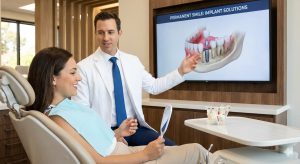
A dental emergency includes injuries or infections that threaten the health of the teeth, gums, or mouth and require quick action to prevent lasting damage. Persistent pain, bleeding, or trauma to the mouth often signals the need for immediate professional attention rather than waiting for a routine appointment.
Common Types of Dental Emergencies
Some dental problems can wait a few days, but others demand prompt care. Severe tooth pain, knocked-out teeth, cracked or fractured teeth, and uncontrolled bleeding are among the most urgent. A knocked-out tooth should ideally be reimplanted by a dentist within an hour for the best outcome.
Infections such as abscesses also count as emergencies because bacteria can spread quickly. Symptoms like swelling around a tooth or jaw and fever indicate more serious issues that shouldn’t wait.
Other examples include loose or displaced permanent teeth, broken crowns that expose sensitive areas, or injuries to the lips and tongue that keep bleeding. If pain disrupts eating, sleeping, or speaking, it’s best to contact an emergency dentist right away.
Here’s a quick reference:
| Emergency Type | Typical Action |
|---|---|
| Knocked-out tooth | Keep tooth moist, see dentist immediately |
| Broken tooth | Rinse mouth, save fragments, seek dental care |
| Abscess or swelling | Contact dentist; may need antibiotics |
| Persistent bleeding | Apply pressure and call dentist or ER |
Recognizing Urgent Versus Non-Urgent Situations
Not every dental problem qualifies as an emergency. Minor tooth sensitivity, a small chip, or a lost filling can usually wait if there’s no pain or swelling. On the other hand, facial swelling, deep pain, or visible damage to a tooth root calls for same-day care.
One helpful guideline: if delaying treatment could cause permanent damage or severe pain, it’s urgent. Temporary discomfort that responds to over-the-counter medication or minor cosmetic issues usually are not.
When uncertain, most dentists provide after-hours advice lines where a quick phone consultation can help determine whether to head straight in or book the next available appointment. Acting early often prevents simple issues from turning into larger, costlier problems.
Symptoms You Shouldn’t Ignore
Certain signs suggest an emergency is developing even without visible trauma. Severe, throbbing pain, pressure in the jaw, or swelling that interferes with breathing or swallowing may point to infection or nerve involvement.
Visible pus or a foul taste in the mouth can indicate an abscess. Gums that bleed heavily without injury, especially when accompanied by swelling or fever, should also be checked urgently.
Pain from a cracked tooth that worsens and causes temperature sensitivity often signifies deeper damage. If the discomfort wakes a person at night or spreads to the ear or head, it’s time for immediate care.
It’s always safer to err on the side of caution. When in doubt, they can call their dentist for guidance and schedule an emergency evaluation to protect their oral health and peace of mind.
Immediate Steps to Take During a Dental Emergency

Handling a dental emergency quickly can reduce pain, prevent further damage, and improve the chances of saving a tooth. Using simple first aid techniques and keeping calm can help protect the mouth until professional care is available.
Protecting Your Tooth and Gums
In any emergency, the first goal is to protect the injured tooth and surrounding tissues. If a crack, broken filling, or chipped enamel occurs, they should gently rinse the mouth with warm water to remove debris and avoid touching exposed areas. Applying a cold compress to the cheek can minimize swelling and discomfort.
Avoid chewing on the affected side and keep any broken fragments clean by placing them in a small container. If a filling or crown falls out, dental wax or sugar-free gum can temporarily cover sharp edges. This can lessen irritation to the tongue and gums until a dentist can assess the damage.
Bleeding from the gums or soft tissue can often be managed by applying gentle pressure with sterile gauze. If bleeding persists after 10 minutes, professional care is needed, as this may indicate deeper injury. Staying calm helps prevent accidental biting or additional harm while waiting for treatment.
First Aid for Toothaches
A toothache can arise from decay, infection, or trapped food. The simplest first step is to rinse gently with warm salt water to clean the area and reduce bacteria. Flossing carefully between teeth can help remove stuck food particles that may worsen discomfort.
Over-the-counter pain relievers, such as acetaminophen or ibuprofen, can be taken as directed. They should avoid placing aspirin directly on the gums or tooth, as it can irritate soft tissue. Applying a cold pack on the outside of the jaw for short intervals may also help ease inflammation.
If pain continues for more than a day or involves swelling, fever, or a bad taste, it likely signals an infection that requires prompt dental care. Tooth pain rarely resolves on its own, and professional evaluation ensures the root cause is properly treated before it worsens.
What to Do If a Tooth Is Knocked Out
When a tooth is completely dislodged, time is critical. Handle the tooth only by the crown—the visible white part—and avoid touching the root. Gently rinse it with saline or milk if dirty, but never scrub or dry it.
If possible, try to reinsert the tooth into its socket and hold it in place by gently biting down on gauze or a clean cloth. If reinsertion isn’t feasible, place the tooth in cold milk or a tooth preservation solution. Keeping it moist increases the chance of reattachment.
Getting to a dentist within 30 to 60 minutes gives the best chance for saving the tooth. Meanwhile, manage bleeding with light pressure and avoid excessive rinsing. Even if the tooth cannot be saved, quick care helps preserve surrounding bone and gum tissue, supporting better restoration options later on.
Handling Specific Dental Emergencies
Prompt and calm action can minimize damage, reduce pain, and help preserve teeth and gums during sudden dental mishaps. Simple steps like protecting the affected area and contacting a dentist quickly often make a major difference in recovery.
Managing Broken or Chipped Teeth
A tooth that breaks or chips can result from biting hard food, accidents, or sports injuries. The first priority is to collect any broken fragments and rinse the mouth gently with warm water to remove debris. Applying a cold compress to the cheek can help limit swelling.
If possible, a chipped edge may be covered with dental wax or sugarless gum to prevent irritation. A dentist can often smooth, bond, or restore the damaged area depending on the severity. For deeper fractures exposing the inner tooth layer, prompt professional care is critical to prevent infection or permanent nerve damage.
Avoid chewing on that side of the mouth and stick to soft foods until treatment. Even small chips can weaken enamel, so getting the tooth evaluated helps ensure stability and appearance are restored properly.
Dealing With Lost Fillings or Crowns
Losing a filling or crown can cause sudden sensitivity to hot, cold, or pressure. It can also leave the underlying tooth vulnerable. To protect it temporarily, clean the area gently and cover the exposed surface with dental cement or sugarless gum if available.
Crowns that fall out should be kept clean and safe—placing it in a small container until the appointment helps prevent loss or damage. Do not use glue or adhesives not made for dental repair, as these can harm the tooth or gums.
At the dental office, the dentist will typically inspect for decay or damage before reattaching or replacing the restoration. Avoid very hard or sticky foods until treatment is completed, as they can worsen discomfort or cause new breakage.
Addressing Soft Tissue Injuries
Soft tissue injuries affect the lips, cheeks, tongue, or gums and often involve bleeding. To manage these at home, start by rinsing with mild saltwater and applying gentle pressure with clean gauze for about 10–15 minutes.
If bleeding continues or wounds appear deep, medical evaluation is necessary. Cold compresses placed on the outside of the face can ease pain and limit swelling. Avoid using harsh mouthwashes or alcohol-based rinses, as these can irritate the area further.
Dentists can assess whether stitches or additional care are needed to support healing. Keeping the mouth clean, maintaining hydration, and eating soft foods aid recovery while reducing the risk of infection.
When and How to Contact a Dentist
Timing and communication play a crucial role in managing a dental emergency. Acting quickly helps control pain, protect oral health, and improve treatment results, while sharing accurate details ensures the dentist can prepare the right care.
What Information to Share
When contacting a dentist during an emergency, they should clearly describe what happened, where the pain or damage is, and how severe it feels. Mentioning whether a tooth was knocked out, cracked, or if there’s swelling or bleeding helps the dental team prioritize care.
It also helps to provide practical details. Patients should share the time of the injury, any first aid already given, and whether there are allergies or medical conditions that could affect treatment. If medication such as pain relievers has been taken, the dose and timing should be noted.
If a photo is possible—such as of a chipped tooth or swelling—it’s useful to email or text it to the dental office. This allows the team to assess urgency before arrival.
A short summary can look like this:
| Detail | Example |
|---|---|
| What happened | Fell and chipped front tooth |
| When it happened | 20 minutes ago |
| Pain level | 7/10, throbbing |
| Current symptoms | Mild bleeding, sensitivity to cold |
| Allergies | Penicillin |
| Medication taken | Ibuprofen 400 mg |
Sharing clear and specific information helps the dentist make faster, more informed decisions upon arrival.
Finding Emergency Dental Care Near You
When a regular dentist isn’t available, patients should look for emergency dental services open after hours or on weekends. Online searches such as “emergency dentist near me” or checking local dental association listings can locate clinics offering immediate care.
In large cities like Los Angeles, some clinics provide 24-hour or same‑day appointments for severe pain, infected gums, or a knocked-out tooth. If no emergency dentist is reachable and symptoms involve heavy bleeding or facial trauma, visiting the nearest emergency room is the safest step.
It’s helpful to keep a short list of emergency contacts saved on a phone or written somewhere accessible. This might include a family dentist, the closest 24‑hour dental office, and the nearest hospital emergency department.
Most dental practices encourage patients to call rather than walk in. Speaking to a staff member first allows them to give quick instructions, such as how to keep a tooth moist or manage swelling before treatment. Timely contact and calm communication can make an important difference in preserving both comfort and oral health.
Tips to Prevent Dental Emergencies
Simple daily choices can greatly lower the chances of cracked, decayed, or infected teeth. Consistent care and sensible precautions protect oral health, reduce sudden pain, and help avoid unexpected visits to the emergency dentist.
Daily Habits for Stronger Teeth
Strong teeth start with consistent, proper cleaning. Brushing twice a day with fluoride toothpaste removes bacteria and strengthens enamel. A soft-bristled toothbrush used for at least two minutes helps reach every surface without damaging gums.
Flossing once a day clears plaque and food between teeth where brushing can’t reach. Adding an antibacterial mouth rinse can reduce harmful bacteria and support gum health. Staying hydrated also matters—drinking plenty of water during the day helps rinse away acids that weaken enamel.
Diet plays a major role. Limiting sugary snacks and acidic drinks reduces erosion and cavities. Dentists often recommend calcium-rich foods such as milk, cheese, and yogurt to reinforce tooth structure. Avoid using teeth to open packages or bite hard objects like pens or ice, as this can easily cause cracks or chips that may lead to emergencies later on.
Protective Gear for Sports
Many dental injuries happen during recreational or school sports. Using proper mouth protection is one of the easiest ways to prevent broken, dislodged, or chipped teeth. Custom-fitted mouthguards, made by a dentist, provide better comfort and coverage than generic store-bought versions.
Players in contact sports such as football, hockey, basketball, or martial arts should wear a guard every time they practice or compete. Even non-contact activities like mountain biking or skating can benefit from mouth protection when falls are possible.
Helmets with face shields add another layer of protection, especially for younger athletes. Families should ensure children replace mouthguards periodically as they grow, since a poor fit reduces effectiveness. Keeping gear clean by rinsing it after use and storing it in a ventilated container prevents bacterial buildup and maintains hygiene.
Routine Dental Check-Ups
Regular dental visits allow early detection of conditions that might turn into emergencies if ignored. Dentists can spot small cavities, tiny cracks, or early gum inflammation before they cause pain. Most patients do best with check-ups every six months, though some may need them more often based on oral health history.
During these visits, professional cleanings remove tartar that daily brushing can’t reach. The dentist may also inspect crowns, fillings, or dental appliances to ensure they remain secure and functional. Timely adjustments or repairs reduce the chance of sudden breakage.
Preventive check-ups also offer a chance to ask about sensitivity, grinding, or mouthguard needs. Patients who stay proactive often enjoy fewer surprises and greater confidence in their oral health. For lasting protection, scheduling regular appointments is one of the most effective steps anyone can take toward avoiding dental emergencies.
Frequently Asked Questions
Quick thinking and calm action can make a big difference during a dental emergency. Knowing how to find care, what qualifies as urgent, and where to turn for help outside normal hours helps patients protect their oral health and avoid long-term damage.
What steps should I take immediately during a dental emergency?
If a tooth is knocked out, it helps to gently rinse it, avoid touching the root, and try to place it back into its socket. When that’s not possible, storing it in milk or saline solution keeps it moist until professional care is available.
For cracks, chips, or severe pain, rinsing with warm water and applying a cold compress can control swelling. They should contact a dentist or emergency room right away if there is bleeding or significant discomfort.
How can I access emergency dental care when I don’t have insurance or funds?
Many dental schools, community clinics, and public health programs offer reduced-fee services for urgent care. Some providers work on a sliding scale or provide payment plans that spread the cost over time.
If no local options exist, hospital emergency departments can manage severe pain, trauma, or infection until a dental visit is possible.
Where can I find a dentist that handles emergencies 24 hours a day?
Some dental offices and urgent care centers list 24-hour emergency services on their websites or phone lines. Patients can also contact their local dental association for after-hours referral numbers.
In larger cities, private dental practices sometimes rotate emergency coverage so that someone is always available to handle urgent needs.
Is there a way to get dental emergency assistance on weekends?
Weekend emergency clinics operate in many areas to manage serious dental issues such as abscesses, lost crowns, or injuries. Checking a dentist’s voicemail or website often provides specific weekend instructions.
When dental offices are closed, urgent care centers and hospital emergency rooms can stabilize the situation until a scheduled appointment.
Are there any options for free or low-cost emergency dental treatment?
Certain nonprofit organizations, dental charities, and community health centers provide free or discounted emergency treatments based on income. Some also host local dental outreach events that offer urgent care at no cost.
It’s helpful to keep a short list of nearby clinics and their contact information in case an emergency arises after hours.
What are some common examples of dental emergencies?
Typical emergencies include severe toothache, broken or chipped teeth, knocked-out teeth, and infections that cause swelling or fever. Gum or soft-tissue injuries that won’t stop bleeding also require prompt evaluation.
Recognizing these warning signs early allows patients to seek quick treatment and prevent complications. Anyone unsure whether an issue is urgent should call a dentist for guidance and next steps.